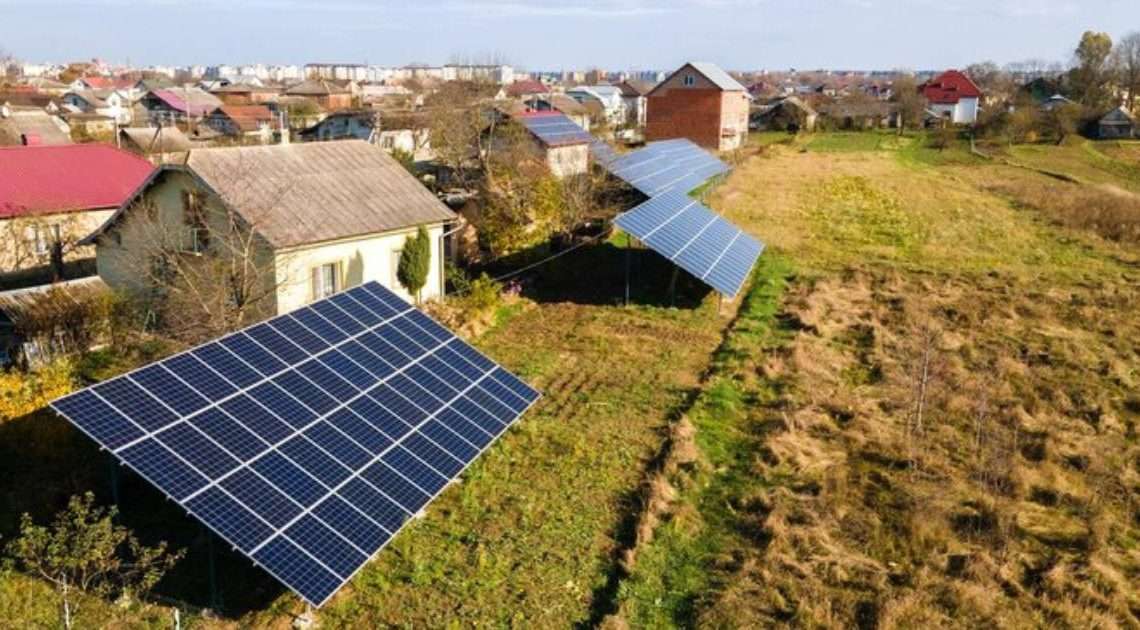
Solar energy is one of the most promising solutions for meeting global energy needs. In rural areas it has a potential to provide new solutions for energy independence while creating also new job prospects. Education is required to meet the needs of these possibilities to apply solar energy in rural areas.
Limited Access to Electricity
We are in 2025 and many rural areas doesnt even have access to electricity.
Solar Energy offers an affordable solution for that, because the solar systems can be installed in remote areas without the need for large infrastructure.
Solar energy needs can improve the quality of life while traditional energy sources like fuel generators can be replaced.
To make this transition happen, rural populations need to gain the knowledge and skills to install, maintain and repair solar systems.
Empowering Local Development through Solar Energy
The education in solar energy can work as a catalyst for the local development by creating new career opportunities and by supporting a sustainable economy.
Students trained in solar technologies can become entrepreneurs and start small businesses that provide solar solutions to their communities.
The increase of these technologies in local level is rising the community involvement in global efforts to reduce carbon emissions and promote the renewable energies.
By educating the local population, rural communities can become self-sufficient in terms of energy and contribute to environmental goals.
VET Education and PV/PVT/ST Technologies
To grow the Solar energy sector, vocational education and training (VET) plays very important role in preparing people for the increasing demand for the renewable energy technologies. Essential for energy production are becoming the technologies like Photovoltaic Thermal (PVT), Solar Thermal (ST) and Photovoltaic (PV). VET programs need to focus on having students to be educated with the necessary skills to install, maintain and optimize these systems. By hands on training and real-world applications, students can develop the expertise required to work with these advanced technologies.
As the PV/PVT/ST technologies continue to advance, VET institutions must stay updated on the latest renewable energy technologies. These systems have a significant role in improving energy efficiency and they are also central to reducing reliance on traditional energy sources. VET programs should integrate training on the latest developments in these technologies, such as higher efficiency solar panels and hybrid systems that combine both photovoltaic and thermal energy production. Collaboration with industry partners to provide young students practical experience through internships or real projects will further enhance their learning and prepare them for their careers. With all these VET can ensure that graduates are prepared to contribute the future of clean energy.
The key to success
All of these can be done with collaboration programs with the government or NGOs by providing free/cheap educational programs.
Linking educational companies to provide the right knowledge to people through internships or Erasmus programs.
Government support with secure funding for solar projects with help the implementation of projects.
Conclusion
The implementation of solar energy in rural communities is a crucial step forward achieving energy independence and economic growth. With the right education and support solar energy can create a lot of job opportunities and improve the quality of life. It is time for rural communities to invest in education and innovation, with the goal of creating a clean and green future.